



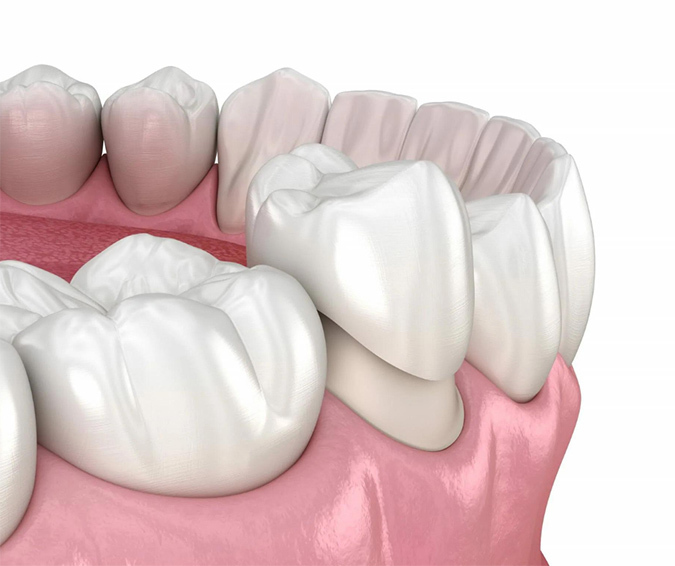
A tooth can become weakened for many reasons, including decay, fractures, large fillings, or years of normal wear. When enough healthy structure remains, restoring the tooth rather than removing it may be possible. A dental crown can provide coverage and support while helping the tooth blend naturally with the rest of the smile. For patients exploring a dental crown in Carlsbad, understanding the purpose of this restoration can make the treatment decision easier.
When a Tooth Needs More Than a Filling
Fillings are useful for repairing many cavities, but they are not ideal for every situation. When a tooth has lost a significant amount of structure, simply filling the damaged area may not provide enough support.
A crown covers the remaining portion of the tooth, helping protect it from the forces created by everyday chewing. Your dentist can determine whether a crown is appropriate after evaluating the tooth’s condition.
Patients considering a dental crown in Carlsbad should begin with a comprehensive examination rather than assuming a particular restoration is necessary. Depending on the circumstances, alternatives such as a filling, inlay, onlay, or another treatment may be considered.
Common Reasons for Crown Treatment
A crown may be recommended for a tooth that has extensive decay, a large existing filling, or a significant crack. It may also be used after root canal treatment when additional protection is needed.
In some cases, a crown can restore a tooth that has become worn, misshapen, or discolored. The decision depends on the amount of healthy tooth structure remaining and the tooth’s location within the mouth.
For a dental crown in Carlsbad, your dental professional can explain why a crown is being recommended and what the restoration is expected to accomplish.
A Restoration Designed for Your Smile
A crown is not simply a generic cover placed over a tooth. It is designed to fit the individual tooth and work with the surrounding teeth.
The shape, size, and color can all influence how natural the restoration looks. For visible teeth, aesthetic considerations may be particularly important. For back teeth, strength and chewing function may receive greater emphasis.
Your dentist can discuss available materials and explain which characteristics may make one option more suitable for your needs.
What Happens Before the Crown Is Placed?
The process starts with an evaluation of the tooth. Your dental team may use X-rays or other diagnostic methods to assess the tooth and surrounding structures.
If the tooth is suitable for a crown, it will be prepared to make room for the restoration. Impressions or digital scans may then be used to create a crown that matches the prepared tooth.
Depending on the treatment plan, a temporary restoration may be placed while the permanent crown is being fabricated.
At a follow-up appointment, the permanent restoration is checked for fit, appearance, and bite before being secured. This careful process helps ensure that the crown feels comfortable and functions properly.
Comfort and Function Go Together
A damaged tooth can sometimes affect how you chew. You may unconsciously favor one side of your mouth or avoid certain foods because of sensitivity or discomfort.
Restoring the tooth can help bring greater stability to everyday biting. When planning a dental crown in Carlsbad, your dentist will consider how the restoration interacts with the surrounding teeth and your natural bite.
The goal is not simply to cover the tooth. The restoration should be designed to support normal function while fitting comfortably within the smile.
Taking Care of Your Restoration
Receiving a crown does not mean the tooth no longer needs attention. The natural tooth underneath and around the crown remains susceptible to dental problems.
Good oral hygiene continues to be important. Brush regularly, clean between your teeth, and maintain recommended dental appointments. These habits can help protect the crowned tooth and the rest of your smile.
It is also wise to avoid using your teeth to open packages or bite hard non-food objects. Excessive force can damage natural teeth as well as dental restorations.
If a crown becomes loose, cracked, or uncomfortable, contact your dental office promptly so the problem can be evaluated.
Consider the Long-Term Benefits
Restoring a damaged tooth may help preserve natural tooth structure and maintain a more balanced smile. While no restoration lasts forever, appropriate care and regular dental examinations can help you get the most from your treatment.
Choosing the right restoration starts with understanding your individual dental needs. A professional evaluation can clarify whether a crown is appropriate and what alternatives may be available.
If you are considering a dental crown in Carlsbad, Grace Dental can evaluate your smile and discuss restorative options based on your needs. Call (760) 653-8338 or schedule a dental consultation to get started.