



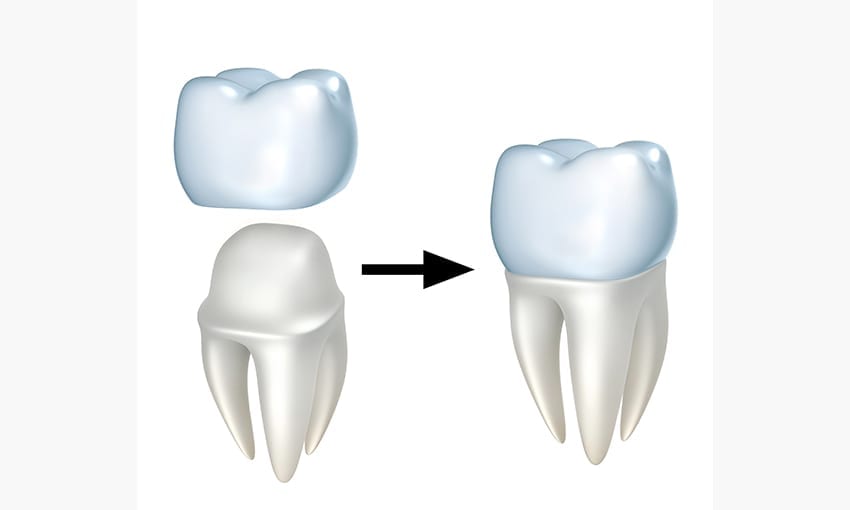
A tooth does not always need to be removed simply because it has become weak or damaged. In many situations, a dentist may be able to preserve the tooth with restorative treatment. One option is a dental crown, which covers the visible portion of a tooth and can help restore its shape, function, and appearance.
If you are considering a dental crown in Oceanside, understanding why crowns are used and what the process involves can help you have a more informed conversation during your next dental appointment.
When Might a Crown Be Recommended?
Teeth can become damaged for several reasons. A large cavity may leave too little healthy tooth structure for a regular filling, while a cracked or weakened tooth may need additional protection. A crown may also be considered after certain procedures that leave a tooth more vulnerable.
Rather than automatically recommending the same restoration for every patient, a dentist will examine the tooth and consider its overall condition. The location of the tooth, the amount of remaining structure, your bite, and your general oral health can all influence the recommendation.
An evaluation is therefore an important first step when exploring a dental crown in Oceanside.
Crowns Can Restore Everyday Function
A damaged tooth can make chewing uncomfortable or cause you to avoid putting pressure on one side of your mouth. Depending on the location and severity of the problem, it may also affect how you speak or bite.
A properly planned crown is intended to restore the tooth’s function while protecting the remaining structure. Your dentist will consider how the restoration fits with the surrounding teeth and your natural bite.
The goal is not simply to cover the tooth. It is to create a restoration that works as part of your overall smile.
What Happens Before Treatment?
Before placing a crown, your dental professional will examine the tooth and surrounding tissues. X-rays or other diagnostic tools may be used when appropriate to get a better understanding of what is happening beneath the visible surface.
If the tooth has decay or another underlying problem, that issue may need to be addressed first. In some cases, additional treatment may be necessary before the tooth can support a crown.
This careful preparation helps your dentist develop a treatment plan based on your specific dental needs rather than treating the visible damage alone.
The Tooth Is Prepared for the Restoration
Once a crown is determined to be appropriate, the tooth is prepared so the restoration can fit over it properly. An impression or digital scan may then be used to help create a crown that matches the shape and dimensions needed for your mouth.
Depending on the circumstances, a temporary restoration may be used while the permanent crown is being prepared.
Patients researching a dental crown in Oceanside should ask their dental office what materials and restoration options may be appropriate for their particular tooth. Different situations can call for different approaches.
Appearance Matters, Too
Restorative dentistry is not only about function. For teeth that are visible when you smile, appearance can be an important part of the conversation.
Your dentist can discuss factors such as the crown’s shade, shape, and relationship to neighboring teeth. The objective is to create a restoration that fits naturally within the smile while addressing the underlying dental concern.
A personalized approach can make a noticeable difference in how comfortable you feel with the finished result.
Caring for Your Crown
A crown still requires regular dental care after it is placed. Brushing, cleaning between the teeth, and keeping up with professional examinations remain important.
The natural tooth beneath and around the restoration still needs protection from decay and gum problems. Avoiding poor oral hygiene simply because a tooth has been restored can create new concerns.
Regular visits to your dentist also provide an opportunity to monitor the crown and the surrounding teeth over time.
Know When to Have a Tooth Examined
Not every damaged or uncomfortable tooth should be ignored until the problem becomes severe. Sensitivity, pain when chewing, visible cracks, or a large area of missing tooth structure can all be reasons to schedule an evaluation.
If you are searching for a dental crown in Oceanside, speaking with a dental professional can help you understand whether a crown is appropriate or whether another form of treatment would better suit your situation.
Grace Dental provides personalized dental care for patients dealing with damaged or weakened teeth. To discuss whether a crown may be right for you, call (760) 653-8338 or schedule a dental consultation with the team.