



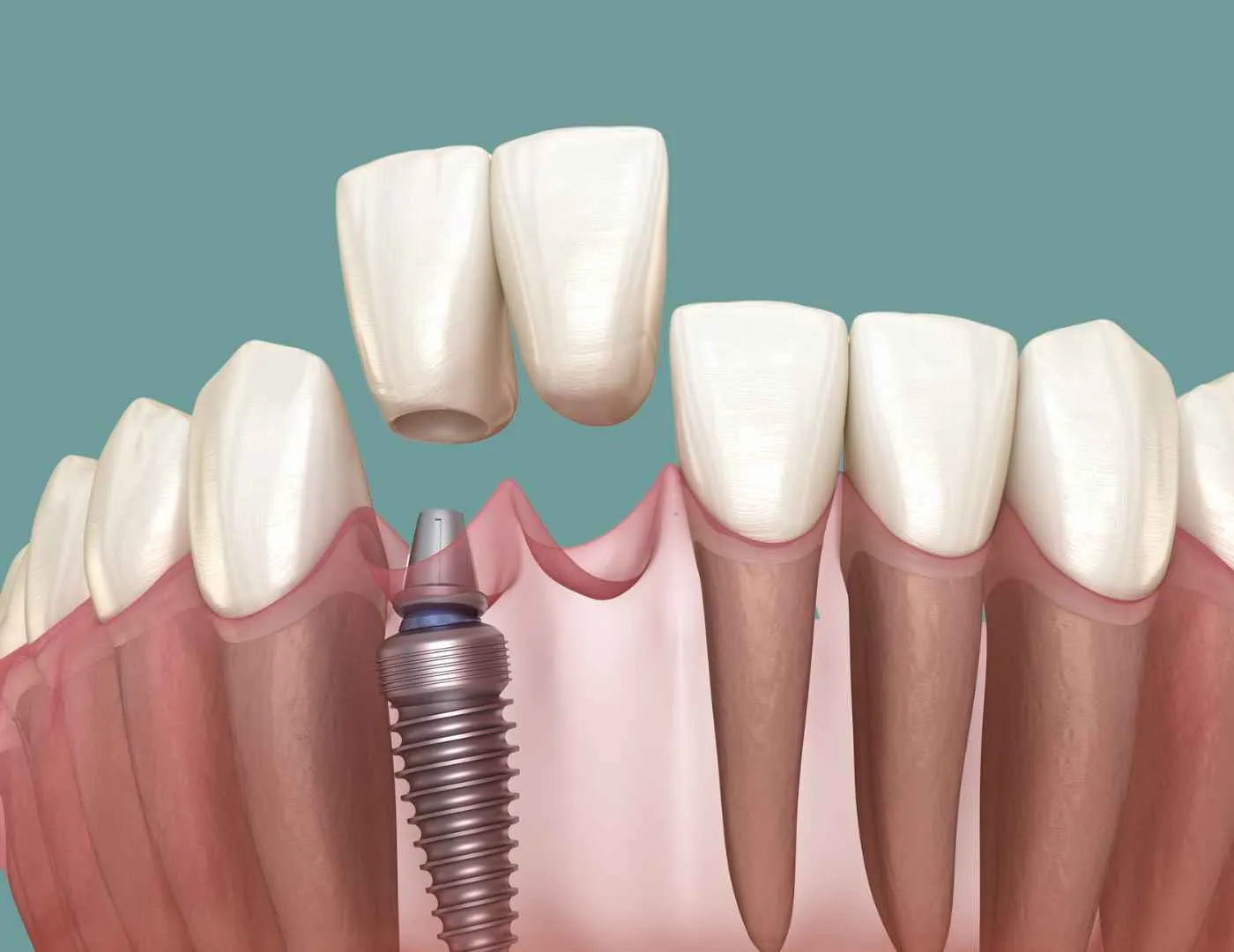
Missing teeth can affect more than your appearance. They may make chewing uncomfortable, change the way you speak, and leave you feeling less confident when smiling in photos or meeting new people. Fortunately, modern restorative dentistry offers solutions that can help rebuild both the function and appearance of your smile. One option worth exploring is dental implants, which are designed to replace missing tooth roots and support natural-looking replacement teeth.
For anyone considering dental implants in Vista, understanding how the treatment works, what the process involves, and who may benefit can make the decision feel less overwhelming.
What Makes Dental Implants Different?
Unlike traditional dentures that rest on the gums or dental bridges that rely on neighboring teeth for support, dental implants are placed in the jawbone. The implant acts as an artificial tooth root, providing a stable foundation for a replacement tooth, bridge, or other restoration.
Many implants are made from titanium, a material commonly used in dentistry because of its compatibility with the body. Over time, the surrounding bone can bond with the implant through a process called osseointegration. This connection helps provide stability when the implant is ready to support the final restoration.
The result can be a replacement tooth that looks and functions much like a natural tooth. However, outcomes vary depending on individual circumstances, and implants require proper planning, healing, and ongoing oral hygiene.
Who May Be a Candidate?
Dental implants can be an option for adults who have lost one or more teeth because of injury, decay, or gum disease. However, not everyone is immediately ready for implant treatment.
A dentist will evaluate your oral health, jawbone condition, medical history, and the health of your gums before recommending a treatment plan. Sufficient bone is important for supporting an implant. If bone loss has occurred, additional procedures may sometimes be considered before placement.
Healthy gums and good oral hygiene also play important roles in long-term success. Certain medical conditions, medications, and habits, including smoking, may affect healing and should be discussed during your consultation.
If you are researching dental implants in Vista, remember that a personalized examination is the best way to determine whether this treatment fits your needs. Your dental professional can explain any concerns and discuss alternatives if implants are not the most suitable option.
Understanding the Treatment Process
Getting dental implants usually involves several stages rather than a single appointment. The exact timeline depends on your oral health, the number of teeth being replaced, and whether additional treatment is necessary.
The process generally begins with a consultation and examination. Your dentist may use dental X-rays or three-dimensional imaging to assess your jawbone and plan implant placement.
During the surgical stage, the implant is positioned in the jawbone. A healing period follows, allowing the implant to integrate with the bone. Once healing is adequate, an abutment and replacement tooth may be attached, depending on the treatment approach.
Some patients require tooth extractions, bone grafting, or gum treatment before implant placement. These additional steps can extend the overall timeline.
Although waiting for healing may require patience, careful planning helps the dental team work toward a stable, functional restoration.
Everyday Benefits of Replacing Missing Teeth
A missing tooth can affect everyday activities in ways you might not immediately expect. You may find yourself avoiding certain foods, chewing more on one side of your mouth, or feeling self-conscious when speaking.
Dental implants can help restore chewing function and provide a secure foundation for replacement teeth. Because an implant replaces the tooth root, it can also help maintain stimulation of the surrounding jawbone. This is an important consideration because the jawbone may gradually shrink after a tooth is lost.
Another advantage is that an implant-supported crown does not typically require reshaping neighboring healthy teeth, unlike a conventional tooth-supported bridge.
Still, implants are not maintenance-free, and they do not prevent every type of dental problem. Good oral hygiene, professional checkups, and attention to gum health remain essential.
Caring for Your Implants Over Time
Long-term implant care starts with the same habits that protect natural teeth. Brush twice daily with fluoride toothpaste, clean between your teeth every day, and follow your dentist’s recommendations for cleaning around the implant restoration.
Your dental office may suggest specialized floss, interdental brushes, or other tools to help remove plaque from difficult-to-reach areas. Regular dental examinations allow your dentist to monitor the implant, surrounding gums, and restoration for potential problems.
Avoid using your teeth to open packages or bite hard objects, as excessive force can damage a crown or other dental components. Contact your dental provider if you notice persistent discomfort, swelling, bleeding, or movement in the restoration.
Patients exploring dental implants in Vista should also ask about follow-up visits and the maintenance required for their particular restoration. Understanding these responsibilities before treatment helps establish realistic expectations.
Take the First Step Toward a Complete Smile
Replacing missing teeth is a personal decision, and the right solution depends on your goals, oral health, and budget. Learning about your options and discussing them with a qualified dental professional can help you decide what makes sense for your situation.
If you are considering dental implants in Vista, Grace Dental can be a starting point for discussing your dental care needs and available treatment options. Call (760) 653-8338 or contact the dental team online to ask about scheduling a consultation.
A conversation with a dental professional can help you understand the next steps, explore possible treatments, and make an informed decision about restoring your smile.