



A damaged tooth can affect more than your smile. It may make chewing uncomfortable, cause sensitivity when eating something cold, or leave you worried about further damage. Fortunately, modern restorative dentistry offers ways to protect weakened teeth while helping them function comfortably. A dental crown in Carlsbad may be an option when a tooth needs additional support that a simple filling cannot provide.
Understanding how crowns work, when dentists recommend them, and what to expect during treatment can help you make informed decisions about your oral health.
When Does a Tooth Need a Crown?
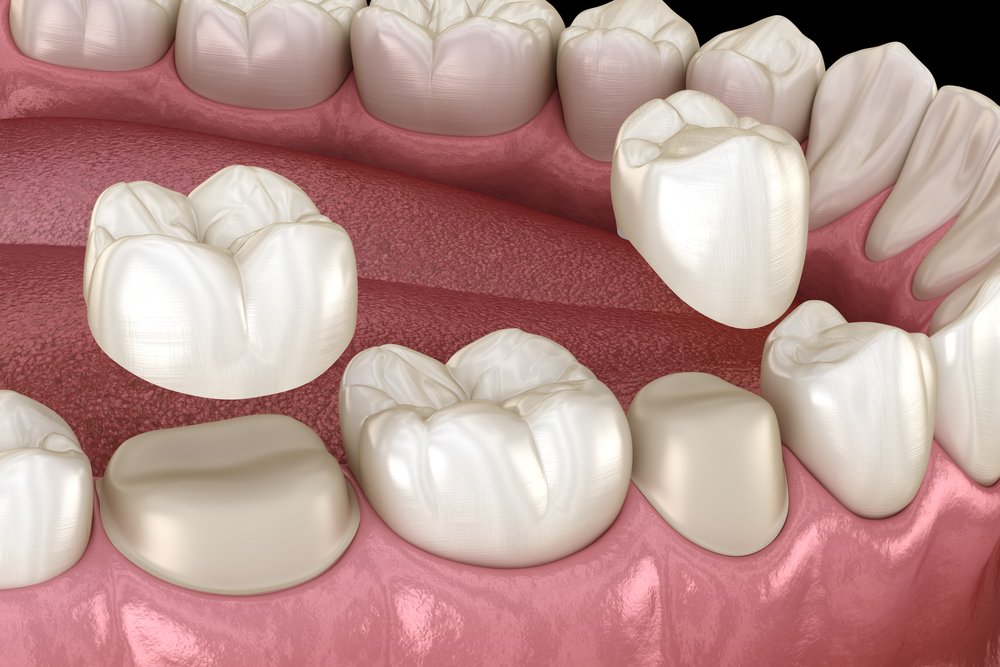
A dental crown is a custom-made covering that fits over the visible portion of a tooth. It restores the tooth’s shape and helps protect the remaining structure from everyday chewing forces.
Dentists may recommend a crown for several reasons. A tooth with extensive decay might not have enough healthy structure to support a large filling. A cracked or significantly worn tooth may need reinforcement, while a tooth that has undergone root canal treatment may require additional protection depending on its location and remaining structure.
Crowns can also restore teeth that have been badly damaged by injury or help support certain dental restorations. In some cases, they are placed over dental implants to replace missing teeth.
If you are considering a dental crown in Carlsbad, the first step is an examination. Your dentist can evaluate the affected tooth, determine how much healthy structure remains, and discuss whether a crown or another treatment would be appropriate.
Explore the Materials Available
Dental crowns are made from several materials, each offering different benefits. The most suitable choice depends on the tooth’s location, your bite, aesthetic preferences, and individual dental needs.
Ceramic and porcelain crowns are often selected for visible teeth because they can closely resemble natural enamel. Zirconia crowns are known for their strength and may be suitable for teeth that experience substantial chewing pressure. Metal or porcelain-fused-to-metal crowns may also be appropriate in certain circumstances.
There is no single material that works best for every patient. Your dental professional can explain the advantages and limitations of available options, including appearance, durability, and cost.
It is also worth discussing habits such as teeth grinding or clenching. These can place extra pressure on restorations and may influence the type of crown or protective measures your dentist recommends.
What Happens During Crown Treatment?
Getting a crown generally involves preparing the tooth, taking impressions or digital scans, and creating a restoration that fits your bite. Depending on the treatment plan and the technology available, the process may require more than one appointment.
During preparation, the dentist reshapes the tooth as needed to make room for the crown. The office may place a temporary crown while the permanent restoration is being made. At a later appointment, the dentist checks the fit, appearance, and bite before securing the final crown.
Patients seeking a dental crown in Carlsbad should feel comfortable asking questions throughout the process. You can discuss how long treatment may take, what sensations to expect afterward, and whether any special instructions will apply to your situation.
Some mild sensitivity or gum tenderness can occur after treatment. However, persistent pain, a crown that feels unusually high when biting, or a restoration that becomes loose should be reported to your dentist.
Keep Your Crown in Good Condition
Although a crown covers and protects a tooth, it does not eliminate the need for everyday dental care. Plaque can still collect around the gumline, and the natural tooth underneath may remain vulnerable to decay.
Brush twice daily with fluoride toothpaste and clean between your teeth every day. Pay particular attention to the area where the crown meets the gum, since keeping this margin clean helps support the surrounding tissues.
Avoid using your teeth to open packages or bite hard objects. If you grind your teeth at night, ask your dentist whether a custom night guard could help protect your restoration.
Routine dental examinations are equally important. Your dentist can check the crown’s condition, assess your gums, and identify potential problems before they become more complicated. With proper care, many crowns can serve patients for years, although their lifespan varies according to the material, oral hygiene, and chewing habits.
Find Out Whether a Crown Is Right for You
You do not have to wait for a weakened tooth to become painful before seeking advice. Early evaluation may help you understand the available treatments and protect as much healthy tooth structure as possible.
If you have been researching a dental crown in Carlsbad, Grace Dental can be contacted to discuss your concerns and ask about an evaluation. Call (760) 653-8338 or visit the online contact page to get in touch. A conversation with the dental team can help you understand the next steps toward restoring your tooth’s comfort, function, and appearance.