



A small cavity might not seem like a big deal at first. You may notice a little sensitivity when drinking something cold or feel a slight twinge when biting into a favorite snack. Because the discomfort can be mild or even absent, it is easy to put off making a dental appointment. However, treating tooth decay early can help preserve your natural tooth and prevent more complicated dental problems.
If you are considering a tooth filling in Oceanside, understanding how fillings work, when they are needed, and how to care for your teeth afterward can help you feel more prepared for your next dental visit.
How Cavities Develop
Cavities form when bacteria in dental plaque produce acids that gradually weaken tooth enamel. Frequent exposure to sugary or acidic foods and drinks can contribute to this process, particularly when plaque is not removed through regular brushing and flossing.
Over time, weakened enamel may develop a small hole. Once a cavity forms, professional treatment is generally needed to remove the damaged portion and restore the tooth’s structure.
You might experience sensitivity to sweets, cold drinks, or hot foods. Some cavities cause visible dark spots, while others remain hidden between teeth until a dental examination or X-ray reveals them. In more advanced cases, decay can reach the inner portion of the tooth and cause persistent pain.
Regular checkups help your dentist identify potential problems before they become more extensive. Early treatment often means a simpler restoration and less disruption to your daily routine.
What Happens During a Tooth Filling?
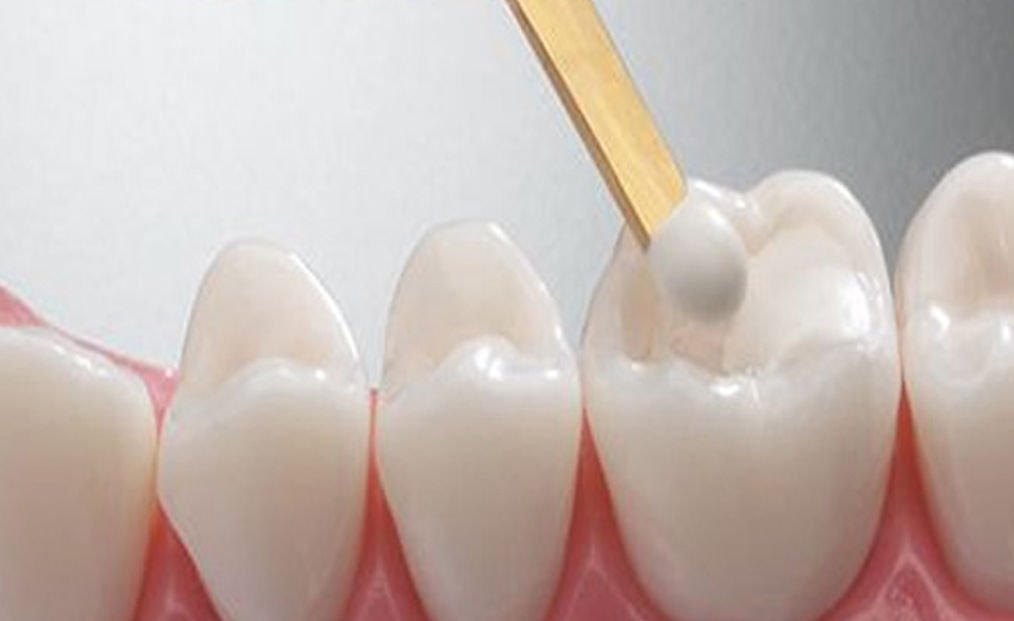
A dental filling repairs a tooth damaged by decay. During the procedure, your dentist removes the decayed tissue, cleans the affected area, and fills the space with a restorative material. The goal is to restore the tooth’s shape and function while helping protect it from further damage.
Many modern dental offices use composite resin, a tooth-colored material that can blend with the surrounding enamel. Composite fillings are commonly used for visible teeth because they provide a natural-looking appearance. Depending on the tooth’s location, the size of the cavity, and your individual needs, other filling materials may also be appropriate.
For patients considering a tooth filling in Oceanside, the process usually begins with an examination to determine the extent of the decay. Your dentist can explain the recommended material, discuss the procedure, and answer questions about comfort and cost.
Local anesthesia may be used to numb the area, helping make treatment more comfortable. After the filling is placed, your dentist checks your bite and makes any necessary adjustments.
Signs You May Need a Filling
Tooth decay does not always announce itself with a painful toothache. Sometimes, the earliest indication is sensitivity that appears when you eat ice cream or sip a hot beverage. You may also notice discomfort when chewing, a rough area on a tooth, or a visible spot that looks different from the surrounding enamel.
These symptoms do not automatically mean you need a filling, since sensitivity and discoloration can have other causes. An examination is the best way to determine what is happening.
If you develop severe or persistent tooth pain, swelling, or signs of infection, contact a dental professional promptly. A filling may not be sufficient when decay has reached the tooth’s pulp or caused extensive damage. Depending on the findings, root canal treatment or another restoration may be necessary.
Addressing symptoms early can give your dentist more opportunities to preserve healthy tooth structure.
Making Your Dental Visit More Comfortable
Feeling nervous about dental treatment is common, especially if you have not had a cavity filled before. Knowing what to expect can make the experience feel less intimidating.
Before treatment begins, let your dentist know if you have dental anxiety, sensitive teeth, or concerns about anesthesia. You can also ask how long the appointment is expected to take and whether you should avoid eating or drinking anything beforehand.
Most routine fillings are completed in a single appointment, although the time required depends on the number and size of the cavities. You may experience temporary sensitivity afterward, but persistent pain or a filling that feels too high when you bite should be evaluated.
When arranging a tooth filling in Oceanside, discussing your concerns beforehand can help you understand each step and feel more confident about receiving care.
Protecting Your Filling After Treatment
A filling restores damaged tooth structure, but it does not make the tooth immune to future cavities. Good oral hygiene remains essential for protecting both the restoration and the surrounding enamel.
Brush twice daily with fluoride toothpaste and clean between your teeth every day. Limiting frequent sugary snacks and sweetened beverages can also reduce the repeated acid exposure that contributes to tooth decay.
Depending on the material used and the treatment performed, your dentist may recommend waiting until the numbness wears off before eating. Avoid chewing on your cheek or tongue while your mouth is numb, and follow any specific instructions provided by your dental team.
Keep up with routine examinations so your dentist can check the condition of your filling and identify new areas of decay. Fillings can wear down or become damaged over time, making periodic monitoring important.
Take Care of Small Problems Before They Grow
A cavity does not have to become a major dental issue when it is identified and treated appropriately. Prompt attention can help preserve your natural teeth, maintain comfortable chewing, and reduce the likelihood of needing more extensive restorative work.
If you think you may need a tooth filling in Oceanside, consider scheduling an evaluation rather than waiting for the discomfort to worsen. Grace Dental can be contacted to discuss your dental concerns and ask about available appointment options.
Call (760) 653-8338 or get in touch through the online contact page to take the next step toward caring for your teeth.
With regular checkups, good home-care habits, and timely treatment, you can give your smile a better chance of staying healthy and comfortable.