



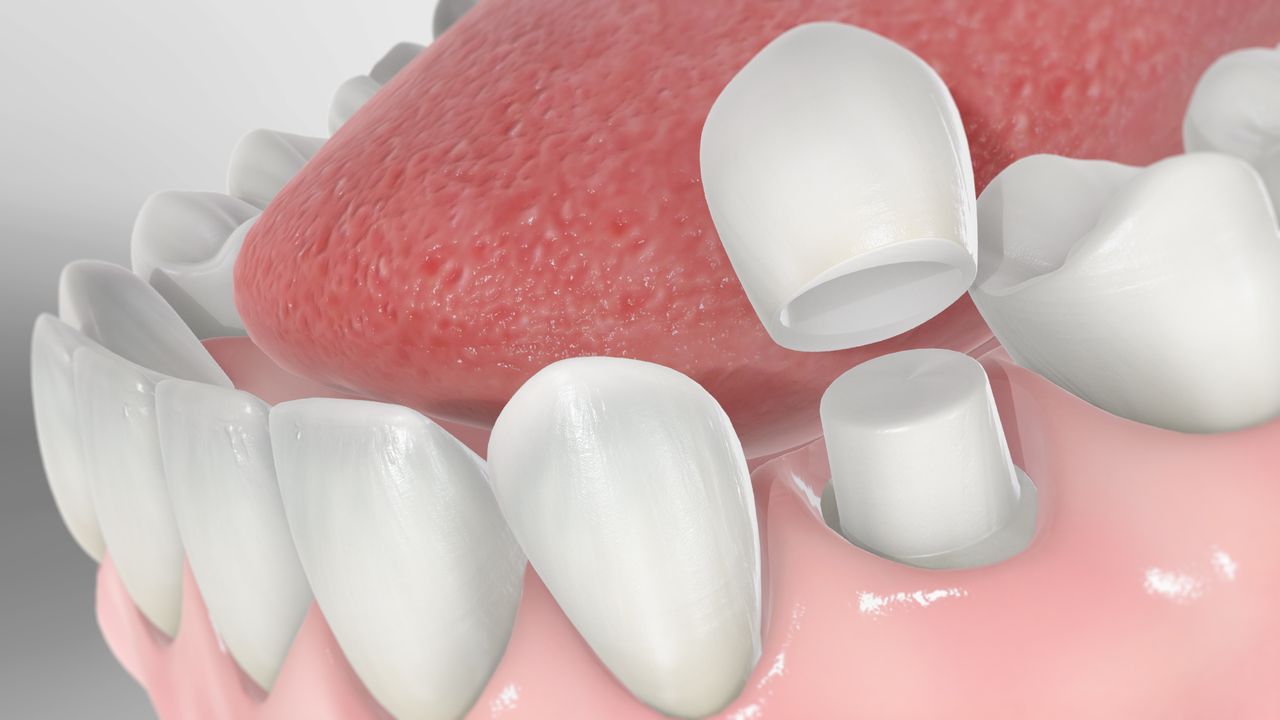
A damaged tooth does not always need to be removed. Sometimes, the best way to preserve it is to reinforce what remains and restore its shape with a dental crown. Whether a tooth has become weakened by decay, developed a crack, or undergone root canal treatment, a crown can provide added protection while helping you chew and smile with confidence.
If you are considering a dental crown in Vista, understanding the purpose of this restoration, the treatment process, and the care it requires can help you decide what to discuss with your dentist.
Why Would a Tooth Need a Crown?
Teeth experience considerable pressure every day. Chewing crunchy foods, grinding your teeth during sleep, and years of normal use can gradually affect their structure. When a tooth becomes significantly weakened, a simple filling may not provide enough support.
A dental crown is a custom-made covering that fits over the visible portion of a tooth. It restores the tooth’s shape and size while helping protect the remaining structure from further damage.
Dentists may recommend crowns for teeth with extensive decay, large existing fillings, fractures, or significant wear. A crown may also be used to restore a tooth after root canal treatment when additional protection is appropriate.
The goal is to preserve a tooth whenever possible while restoring its function. Your dentist will examine the affected area and determine whether a crown is suitable or whether another treatment would better address the problem.
Exploring Different Crown Materials
Dental crowns are available in several materials, and each offers different advantages. The right choice depends on where the tooth is located, how much chewing pressure it receives, your aesthetic preferences, and your overall dental health.
Porcelain and ceramic crowns are popular choices for visible teeth because they can be designed to resemble natural enamel. Their color and appearance can be matched to surrounding teeth, helping the restoration blend into your smile.
Zirconia crowns offer strength and can be used in various areas of the mouth. Metal crowns are another option in certain situations because of their durability, although their appearance may make them less desirable for front teeth.
Some restorations combine materials to balance strength and appearance. Your dentist can explain the benefits and limitations of the available options before treatment begins.
When researching a dental crown in Vista, ask which materials may work best for your particular tooth rather than assuming one option is ideal for everyone.
What Happens During Crown Treatment?
Getting a crown typically involves an examination, preparation of the affected tooth, and placement of the final restoration. The exact process depends on the condition of your tooth and the technology available at the dental office.
First, your dentist checks the tooth and surrounding gums. Dental X-rays may be needed to evaluate the roots and supporting structures. If decay or infection is present, it may need to be addressed before the crown can be placed.
Next, the tooth is carefully shaped to create room for the restoration. Impressions or digital scans are used to capture its dimensions so the crown can be made to fit properly. Depending on the method used, a temporary crown may protect the prepared tooth while the permanent one is being produced.
At the final appointment, the dentist checks the crown’s fit, appearance, and bite before securing it in place. Proper adjustment matters because a crown that interferes with your bite can cause discomfort during chewing.
Getting Used to Your New Crown
A newly placed crown may feel slightly different from your natural tooth at first. Your tongue may notice the change, or the tooth may feel unfamiliar when you bite down. This sensation often improves as you adjust.
Some temporary sensitivity to temperature can occur after treatment. However, persistent pain, swelling, or discomfort when biting should be reported to your dentist. A crown that feels noticeably higher than the surrounding teeth may need an adjustment.
Remember that a crown protects the tooth but does not make it completely immune to problems. The underlying tooth can still develop decay, particularly around the edge where the crown meets the natural tooth.
Patients receiving a dental crown in Vista should understand that proper placement and consistent follow-up care both contribute to maintaining the restoration.
Simple Habits That Help Your Crown Last
Taking care of a crowned tooth is similar to caring for your natural teeth. Brush twice daily with fluoride toothpaste, floss every day, and attend regular dental examinations. Pay particular attention to cleaning along the gumline, where plaque can collect around the edges of the restoration.
Avoid biting down on ice, hard candies, or other objects that may damage a crown. If you grind your teeth while sleeping, ask your dentist whether a night guard could help protect your teeth and restorations.
It is also important to maintain healthy gums. Gum recession can expose the edges of a crown, while inflammation may make cleaning more difficult. Consistent home care and professional cleanings help keep the surrounding tissues healthy.
With appropriate care, many crowns can serve for years, although their lifespan varies according to the material, placement, oral habits, and individual circumstances.
Find Out Whether a Crown Is Right for You
A weakened tooth can affect everything from enjoying your favorite meals to feeling comfortable when smiling. The good news is that restorative dentistry offers several ways to repair damaged teeth while preserving as much natural structure as possible.
If you think you may need a dental crown in Vista, arranging a dental examination is a practical way to understand the condition of your tooth and explore suitable treatment options.
Grace Dental can be contacted at (760) 653-8338 to discuss your dental care needs and ask about scheduling an appointment. You can also send an inquiry through the online contact page to get started.
Learning about your options before making a decision can help you feel more prepared for treatment and more confident about protecting your smile.